
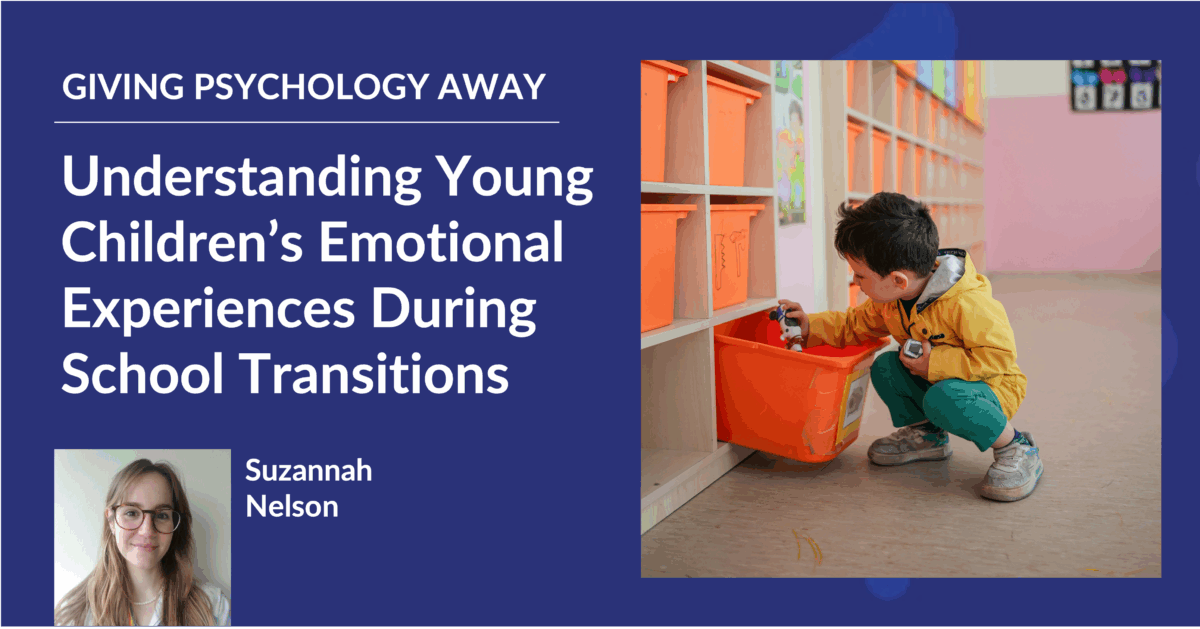
Transitions into school – particularly at reception age – are pivotal moments in a child’s development. While many children appear outwardly settled, research and case studies reveal that the emotional experience of separation can be far more complex.
Emotional Responses to Separation: What the Literature Tells Us
Children’s emotional responses to separation are often hidden beneath calm or engaged behaviour. Drawing on Bowlby’s stages of separation – protest, despair, and detachment – research shows that short-term separations can trigger intense emotional reactions. If a child’s emotional needs are not met, they may move from protest to despair, potentially impacting their ability to form attachments within the school setting.
The literature also highlights the importance of secure attachments and the role of schools in acting as a secure base. Theories such as Mahler’s separation-individuation and Winnicott’s transitional objectsunderscore how children use symbolic play and objects to navigate the emotional terrain of separation and develop a sense of individuality.
Case Studies: Observing the Hidden Layers of Separation
The case studies that Suzie explored as part of her doctoral thesis involved engaging children through play and drawing activities in order to explore their experiences of separation from their caregivers. Whilst one child showed visible distress during separation, they gradually adjusted, as reflected in their drawings and classroom engagement. Another child appeared settled but lacked peer connections and focused heavily on family themes in discussion with Suzie suggesting a desire to remain connected to home.
These observations reinforce the idea that outward behaviour may not reflect internal emotional states, and that schools must create opportunities for children to express their feelings in safe, supportive ways.
Implications for Schools: Recognising and Responding to Emotional Needs
Educators play a crucial role in identifying children who may be struggling with separation. Signs include:
- Withdrawal or lack of engagement
- Difficulty forming peer or adult connections
- Persistent emotional dysregulation throughout the day
Children who successfully transfer a sense of security from their parents to school adults and peers tend to adjust more easily.
Practical Strategies for Supporting Transitions
To support children during transitions, schools can implement the following strategies:
1. Monitor Engagement and Emotional Well-being
- Observe children closely during the first weeks.
- Look for signs of connection with peers and adults.
2. Establish Predictable and Welcoming Routines
- Use consistent handover rituals with parents.
- Designate a familiar adult to greet each child daily.
3. Use Structured Separation Dialogues
- Scripted exchanges between parents and staff can reassure children:
- “Miss Smith, are you ready to look after Johnny today?”
- “Yes, we’ll look after him, and you’ll come back at the end of the day.”
4. Incorporate Playfulness and Transitional Objects
- Special handshakes, goodbye routines, or comfort items can ease separation.
- Games like peekaboo reinforce the concept of return.
5. Facilitate Emotional Expression Through Play
- Use books, role-play, and drawing to explore themes of separation.
- Create safe spaces for children to discuss their feelings.
6. Foster Peer Connections
- Plan icebreakers and group activities to build relationships.
- Prioritise emotional well-being alongside academic readiness.
Conclusion: Balancing Emotional and Academic Needs
While academic pressures are real, supporting children’s emotional adjustment during transitions is foundational to long-term success. By recognising the hidden emotional experiences of separation and implementing thoughtful strategies, educators can foster a sense of belonging and resilience in every child. This also means that children are given the tools to understand and process the loss of their attachment figure (however short term) and express their feelings verbally, instead of behaviourally.